COMMUNITY HEALTH EDUCATION
Empowering communities with knowledge is central to Phalarope’s mission. Our Community Health Education programs strengthen health literacy, support informed decision-making, and equip families and traditional leaders with the tools they need to improve wellbeing across generations.
We work alongside Indigenous and rural communities to expand access to trusted, culturally grounded information on maternal, newborn, and child health; nutrition; hygiene; mental health; and disease prevention. Our approach honors community wisdom, language, and culture — ensuring education is relevant, respectful, and actionable.
What We Do
Health Education & Prevention
Deliver community workshops and home-based sessions on:
maternal, newborn & child health
nutrition & anemia prevention
hygiene & infection prevention
sexual & reproductive health
mental health & emotional wellbeing
Strengthen early-warning and urgent-referral skills within communities
Support families to make informed health decisions
Community Leadership & Capacity Building
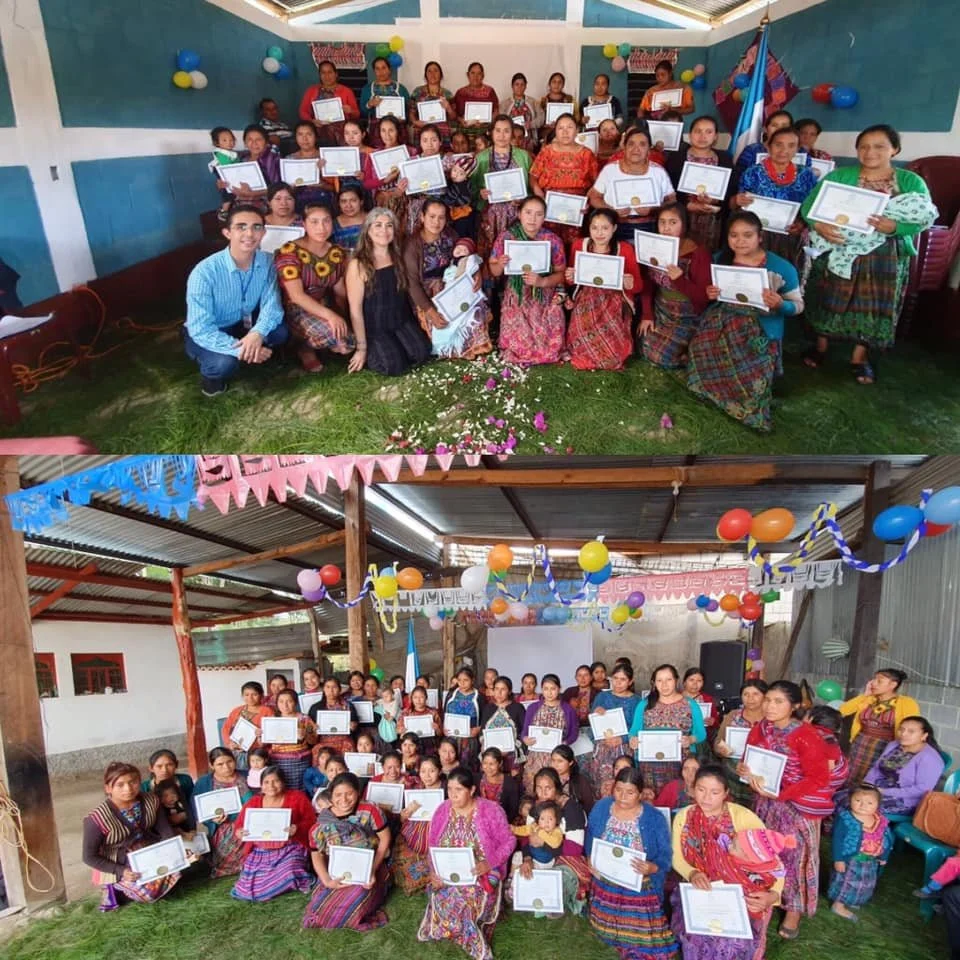
Train traditional midwives, community care navigators, local health leaders, and youth to serve as trusted health educators
Provide tools and peer-learning spaces to support ongoing skill development
Strengthen family and community support networks around pregnancy, postpartum, and child development
Culturally-Rooted Learning
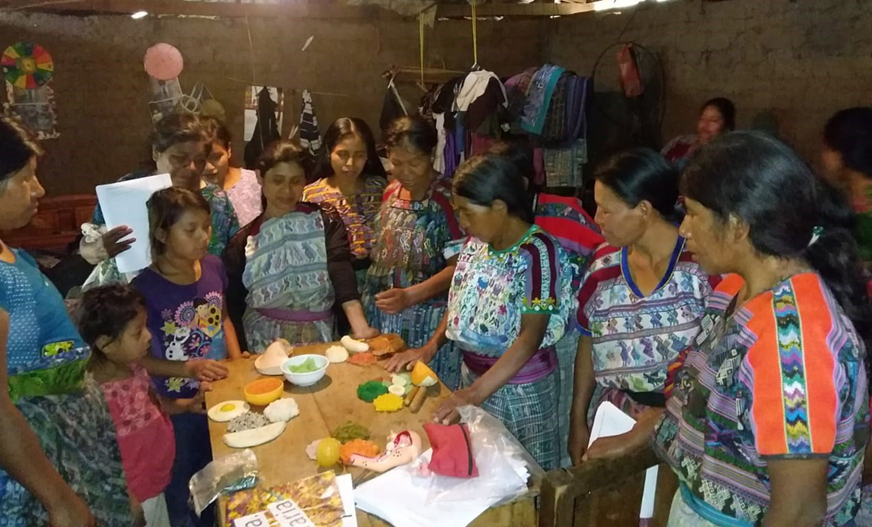
Co-create education materials in local languages and traditional formats
Integrate ancestral knowledge with public-health science
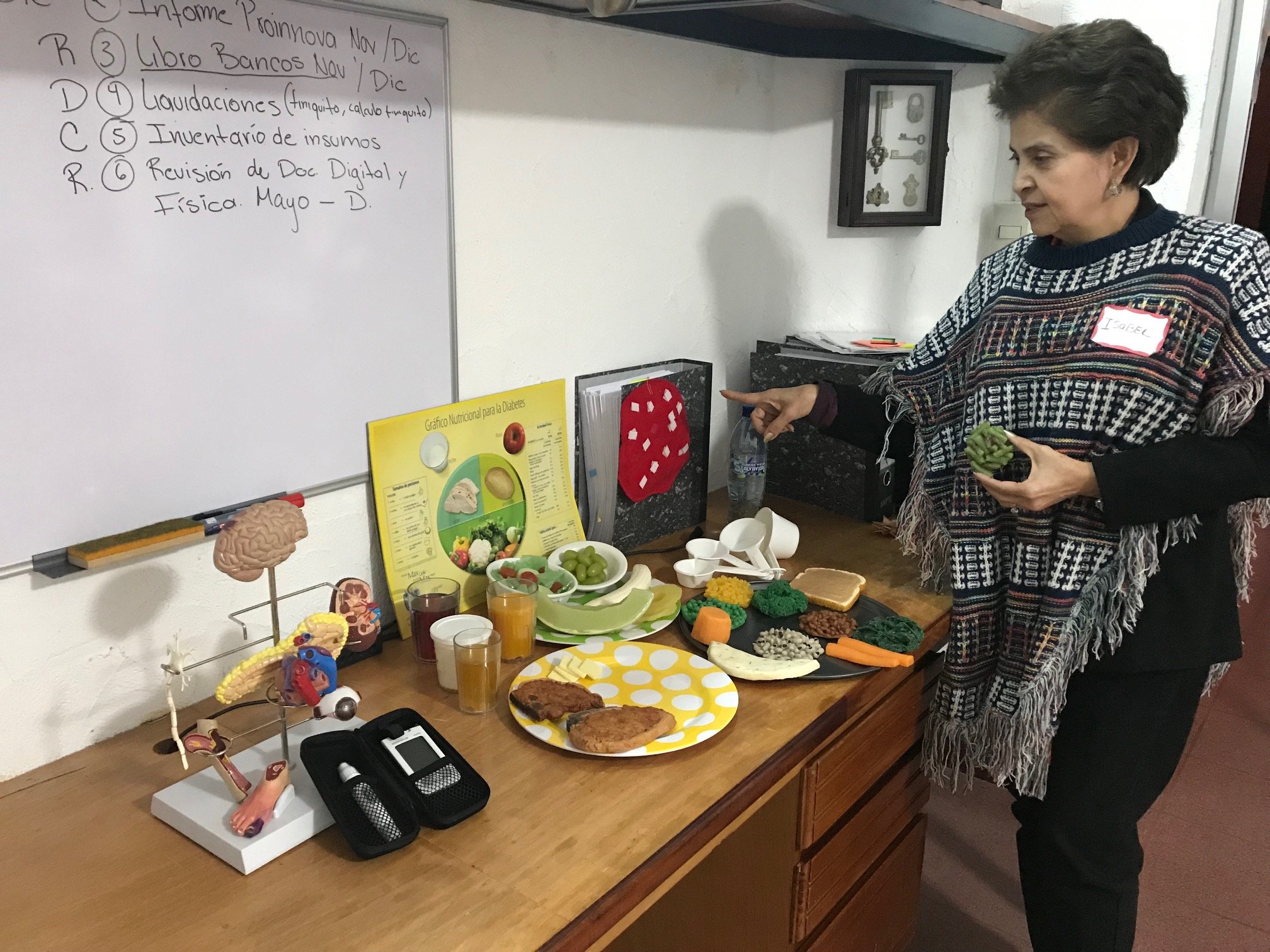
Use creative communication methods — storytelling, visual tools, home visits, and youth-led learning — to reach diverse audiences
Ensure materials are accessible regardless of literacy level or digital access
Why It Matters
When communities have access to culturally respectful, accurate health information, they:
Detect complications earlier
Improve nutrition, maternal, and newborn outcomes
Strengthen mental and emotional wellbeing
Build confidence to navigate health systems
Advocate for safe, dignified, high-quality care