
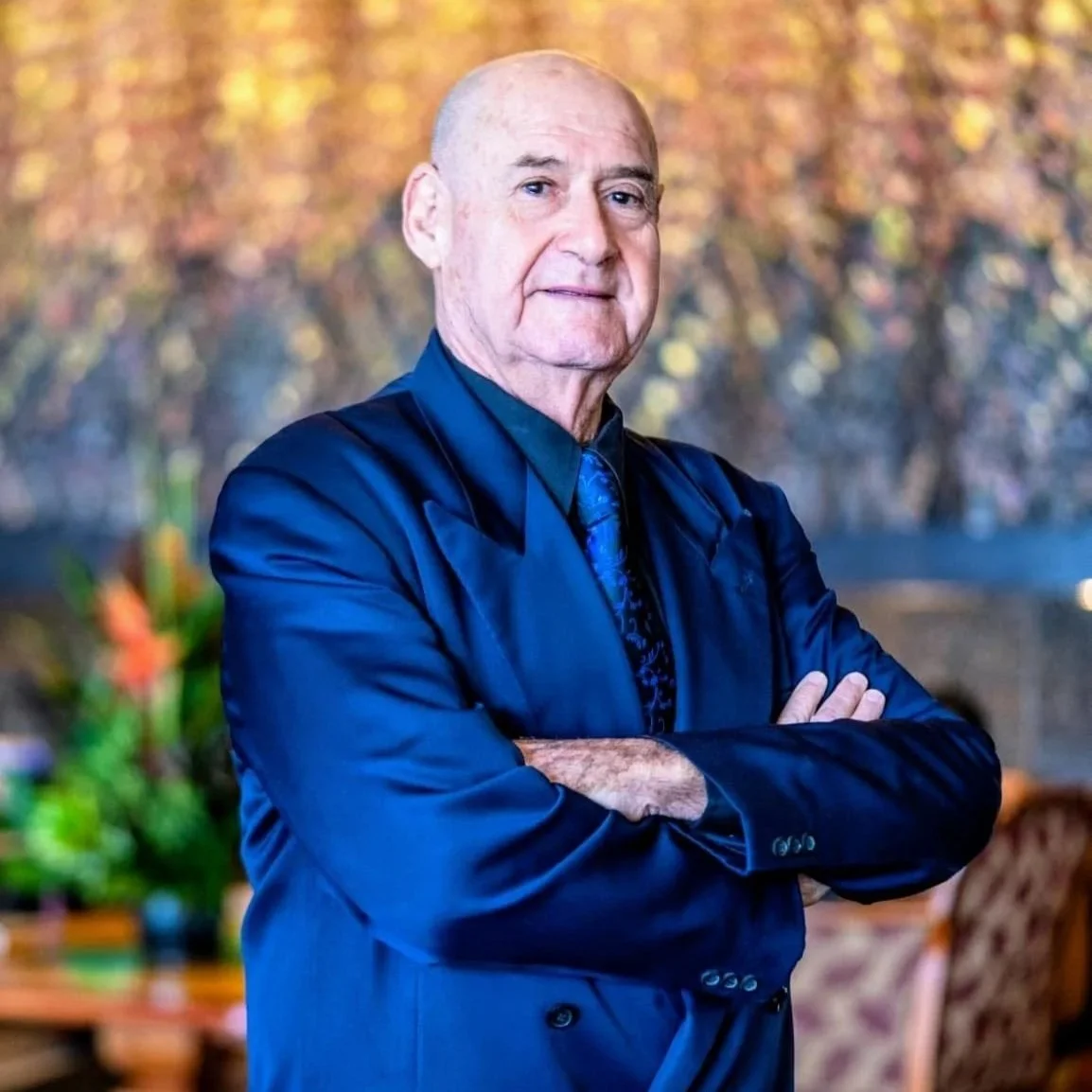
Walter Myers III
Walter Myers III is a Panamanian,–Costa Rican industrial engineer with more than four decades of leadership in territorial planning, sustainable urban development, environmental management, and evidence-based public policy. His career reflects a unique combination of technical expertise, strategic vision, and a deep commitment to sustainable development across Panama and the wider region.
Until October 2024, Walter served as the Executive Director of the Instituto Geográfico Nacional “Tommy Guardia”, Panama’s national authority for cartography, geodesy, and geospatial information. In this role, he led institutional modernization efforts, strengthened the national geospatial information system, and advanced inter-institutional coordination to improve territorial planning and environmental management. He previously served as the institution’s Deputy Executive Director.
Throughout his career, he has held senior leadership positions within the Autoridad de la Región Interoceánica, the Autoridad Marítima de Panamá, IBM Latin America, and GBM Panamá, and has directed or advised numerous projects in urban development, tourism, territorial management, investment analysis, and the sustainable development of Panama’s reverted areas. His work also includes decades of consultancy in strategic planning, geospatial systems, and urban infrastructure design.
Walter holds a Master of Science in Industrial Engineering from Louisiana State University and a Bachelor’s Degree in Industrial Administrative Engineering from Universidad Santa María La Antigua. He has served as an international speaker, university professor, writer of educational stories about the Panama Canal, and an active leader in professional and environmental organizations. He is also a recipient of a Rotary International Foundation University Scholarship. At Phalarope, Walter contributes his extensive expertise in territorial planning, community infrastructure design, geospatial analysis, and sustainable development, strengthening initiatives that integrate land, data, and community leadership to build resilient and inclusive systems.